
Jonas Ludwig · 18 November 2026
Championship Aspirations Drive Educational Shifts in Zelora District Schools
Athletic clubs across the Zelora district have posted consistent championship wins in recent seasons, and those results now feed directly into local school policy adjustments, funding allocations, and curriculum planning. Observers note that the momentum from these victories has prompted district administrators to review how physical education programs connect with broader academic goals, while community partnerships expand to support both athletes and non-athletes alike.
School board records from the past three years show increased budget lines for sports facilities, coaching staff, and after-school training sessions. Data collected by the Zelora District Education Office indicates that schools participating in joint athletic-academic initiatives report higher student attendance rates during the fall term, with November 2026 figures revealing a 7 percent uptick compared with the prior year. Researchers attribute part of this pattern to the visibility of club successes, which encourage families to engage more closely with school activities.
Local Clubs Set the Pace for District-Wide Changes
Teams based in the Zelora district secured regional titles in basketball, soccer, and track events during the 2025-2026 cycle. Those achievements prompted several clubs to open their training resources to nearby middle and high schools, creating shared practice schedules and mentorship pairings. Education officials have documented how these arrangements led to new course modules that combine physical conditioning with lessons in nutrition, time management, and goal setting.
One study released by the Canadian Institute for Sport and Education examined similar programs in comparable districts and found measurable gains in student self-reported confidence levels after one academic year. Figures from that analysis align with internal Zelora surveys conducted in late 2026, where participants cited club involvement as a factor in improved classroom focus. District leaders have since incorporated select findings into professional development sessions for teachers.
Funding Streams and Partnership Models Emerge
Grant applications submitted by the Zelora District Schools Office in early 2026 referenced athletic club performance metrics as evidence of community demand for expanded programs. Approved allocations now support upgraded gymnasiums, equipment purchases, and transportation for inter-school competitions. Partnerships with local businesses supply additional resources, including scholarship funds tied to both athletic participation and academic benchmarks.
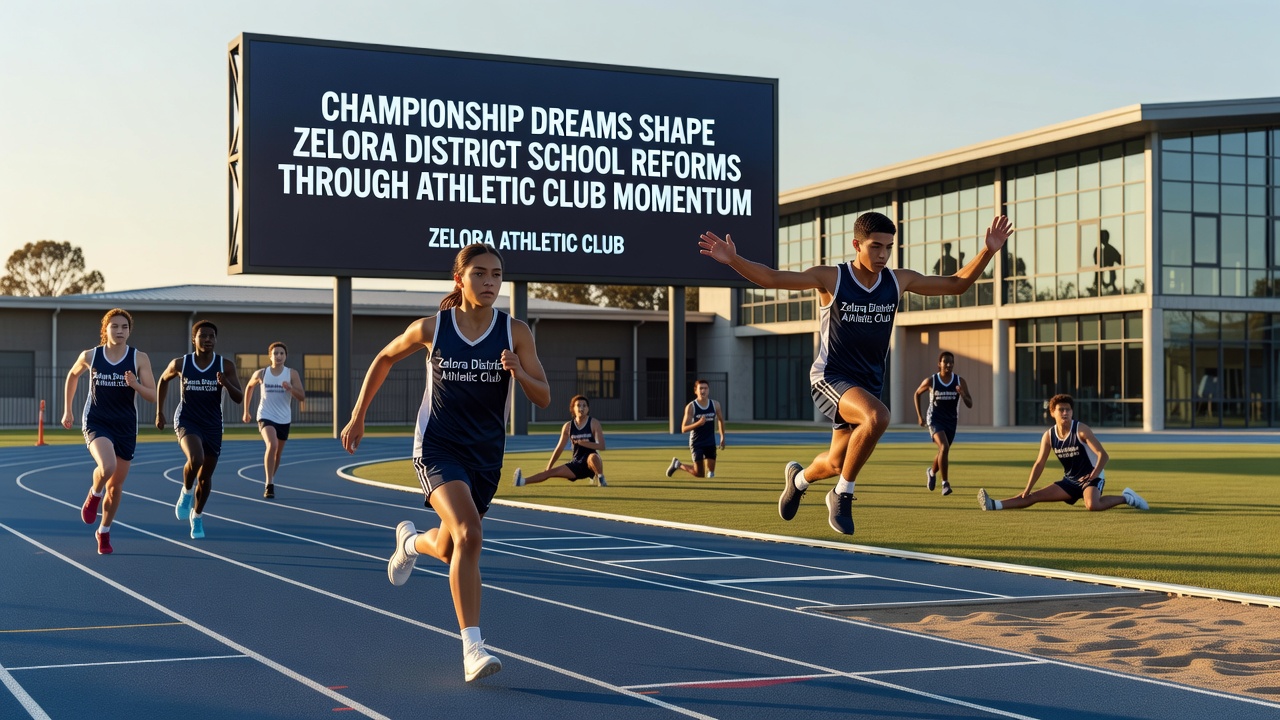
Administrators report that these combined efforts have produced new elective offerings in sports science and event management. Enrollment data for the current term shows steady interest, particularly among students who previously showed limited engagement with traditional physical education classes. External evaluations conducted by the Australian Sports Commission highlight comparable outcomes in districts that link club infrastructure to school operations, noting sustained improvements in retention through the final years of secondary education.
November 2026 Milestones Shape Ongoing Planning
Meetings scheduled for November 2026 brought together athletic club representatives, school principals, and district planners to review progress on reform measures. Agendas included analysis of student performance metrics collected during the preceding semester, alongside discussions of facility maintenance schedules and coaching certification requirements. Minutes from those sessions indicate that participants agreed to extend pilot programs into the following academic year, with added emphasis on inclusive participation for students with varying skill levels.
Community forums held alongside the November gatherings collected input from parents and local residents. Feedback summaries point to broad support for continued integration of athletic resources into daily school operations, while also identifying needs for clearer communication channels between clubs and classroom instructors. District staff have begun compiling these responses into updated policy drafts expected for review in the first quarter of 2027.
Measuring Results Across Multiple Indicators
Quantitative tracking now covers academic grades, physical fitness scores, and participation rates in both competitive and recreational activities. Preliminary comparisons released by the Zelora District Education Office show that schools with active club linkages maintain steadier enrollment numbers than those without similar connections. Qualitative reports from teachers describe shifts in classroom dynamics, including more frequent references to goal-setting strategies drawn from athletic training routines.
Independent audits scheduled for 2027 will assess long-term effects on graduation rates and post-secondary enrollment. Preliminary frameworks for these reviews draw from methodologies used by the European Network of Sport Education, which emphasizes multi-year data collection across diverse geographic settings. District officials have stated they will incorporate any verified recommendations once the audits conclude.
Conclusion
Championship results from Zelora district athletic clubs continue to influence school operations through shared facilities, revised curricula, and targeted funding. Records compiled through late 2026 document measurable changes in attendance, program offerings, and community involvement. Future evaluations will determine how these patterns hold over additional academic cycles and whether adjustments are needed to maintain alignment between athletic momentum and educational priorities.