Avery Fischer · 4 November 2026
Intersections of Innovation: Chefs, Startups, and Urban Planners Reshape Daily Life in Zelora
Chefs in Zelora have begun partnering with local startups to test new food preparation methods that reduce waste while maintaining flavor profiles, and these efforts connect directly with urban planners who adjust zoning rules to accommodate shared kitchen facilities in residential districts. Data from municipal records shows that by November 2026 three pilot districts reported a 22 percent drop in commercial food disposal after integrating modular composting units designed through startup collaborations.
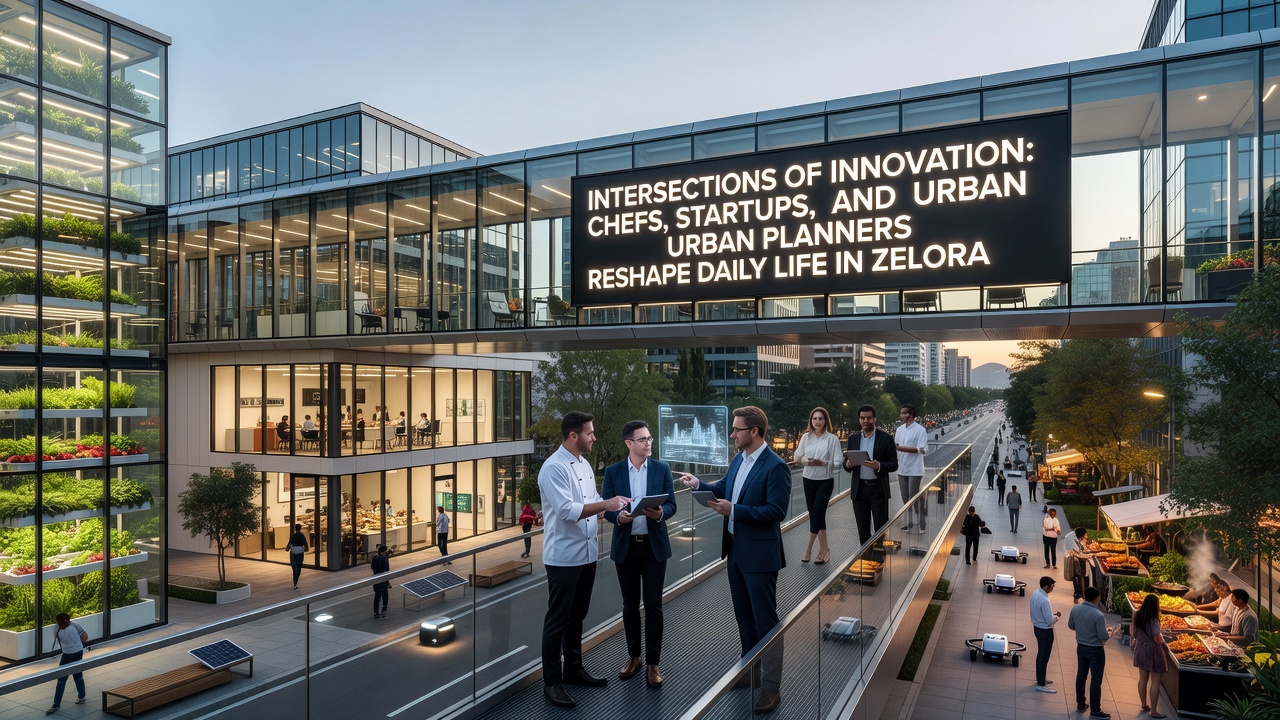
Urban planners meanwhile map these changes into broader infrastructure plans, allocating space for vertical gardens and delivery hubs that support both startup logistics and chef-led pop-up events. Research from the European Institute for Urban Studies indicates that cities adopting similar mixed-use layouts experience measurable improvements in pedestrian traffic patterns around food service zones.
Startup Contributions to Culinary Efficiency
Startups based in Zelora focus on sensor-based inventory systems that track ingredient freshness in real time, allowing chefs to adjust menus daily without excess purchasing. One documented case involves a team that developed an app now used by 47 restaurants across the city, with figures from the Zelora Chamber of Commerce revealing a collective reduction in perishable losses of 18 percent over the past year. These tools integrate with urban delivery networks that planners designed to minimize vehicle congestion during peak hours.
And because the systems operate on open-source platforms, smaller operations gain access without large upfront costs, which expands participation beyond established venues. Planners note that such accessibility supports mixed-income neighborhoods where new food businesses can locate near existing transit lines.
Urban Planning Adjustments for Food Innovation
City planners in Zelora revised building codes in 2025 to require ground-floor spaces in new developments to include flexible commercial kitchens that can switch between restaurant service and startup testing labs. This policy shift aligns with data collected by the Australian Urban Futures Institute, which tracked similar adaptations in three mid-sized cities and recorded increased foot traffic of up to 31 percent in affected blocks.
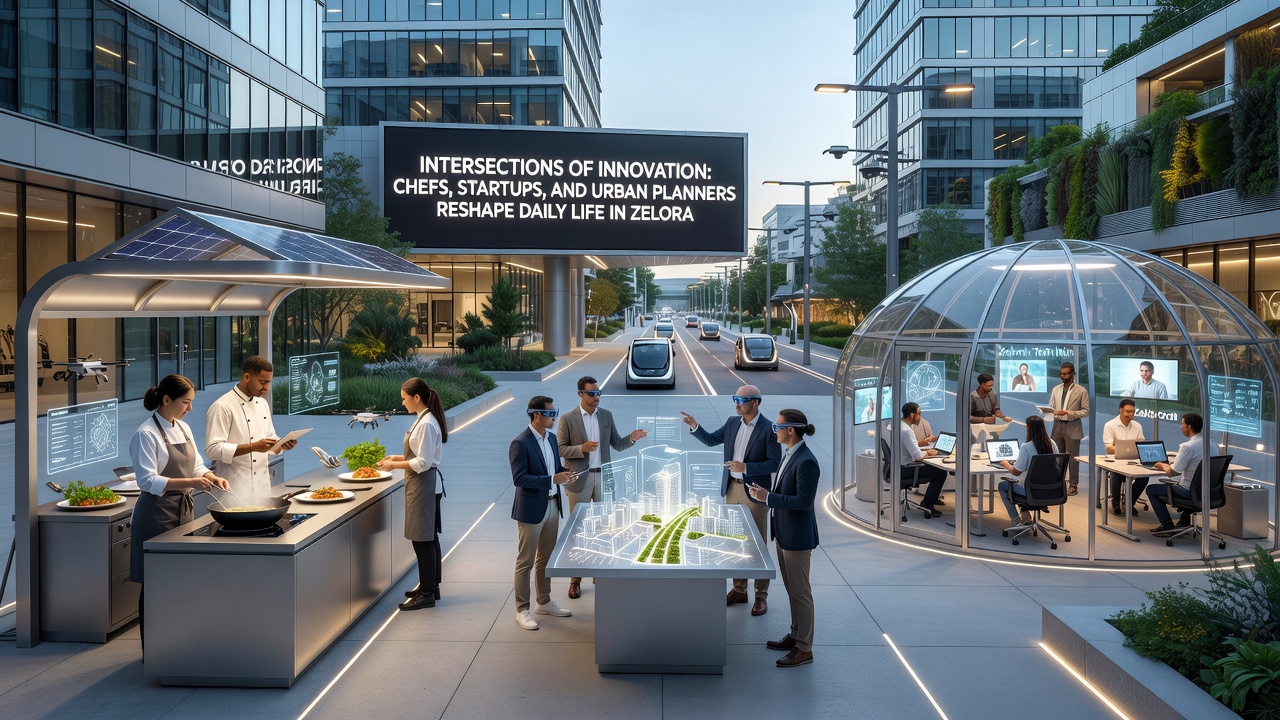
These adjustments also incorporate green space requirements that double as herb gardens for nearby chefs, creating closed-loop systems where waste from one operation feeds the next. Observers from the Canadian Centre for Sustainable Communities have documented parallel projects where such integrations lowered municipal water usage in food districts by measurable margins.
Community-Level Daily Life Impacts
Residents report shorter travel times to access fresh prepared meals because planners clustered these hybrid facilities near public transit stops. Startup prototypes for portable cooking stations appear at weekend markets, giving chefs direct feedback from customers while testing equipment that later scales for permanent locations. Records from Zelora's public health department show participation in nutrition workshops hosted in these spaces rose steadily through late 2026.
Yet coordination challenges remain, particularly around permitting timelines for temporary installations. Planners address this through streamlined digital application portals developed in partnership with local tech firms, cutting average approval periods from 45 days to 12 in participating districts according to internal city reports.
Conclusion
Collectively these intersections demonstrate how Zelora's chefs, startups, and urban planners coordinate separate expertise into shared outcomes that affect daily routines around food access and neighborhood design. Continued monitoring by regional agencies will track whether the patterns observed through November 2026 hold as the programs expand to additional districts.