Avery Fischer · 23 September 2026
Zelora Combines Digital Investments and Cultural Heritage Initiatives to Revitalize Community Education Systems
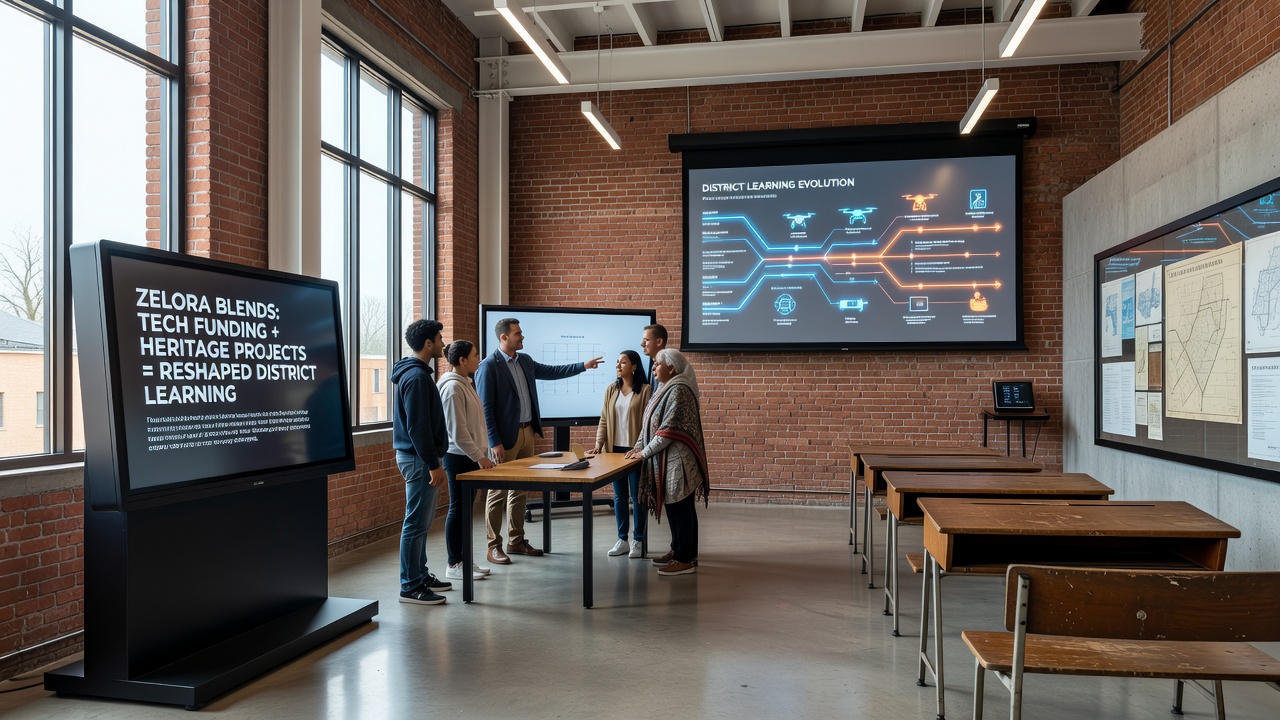
Organizations across multiple regions have begun directing technology funding toward heritage preservation efforts, and Zelora has positioned itself at the center of this shift by allocating resources that connect historical sites with modern learning platforms in district programs. Data from education ministries in several European countries shows increased budgets for such hybrid projects since 2024, while similar patterns appear in reports from Canadian provincial authorities and Australian state education departments. Zelora's model routes portions of its technology grants directly into the restoration and digitization of local landmarks, then layers interactive software onto those assets so students access them through district networks.
Funding Mechanisms and Project Integration
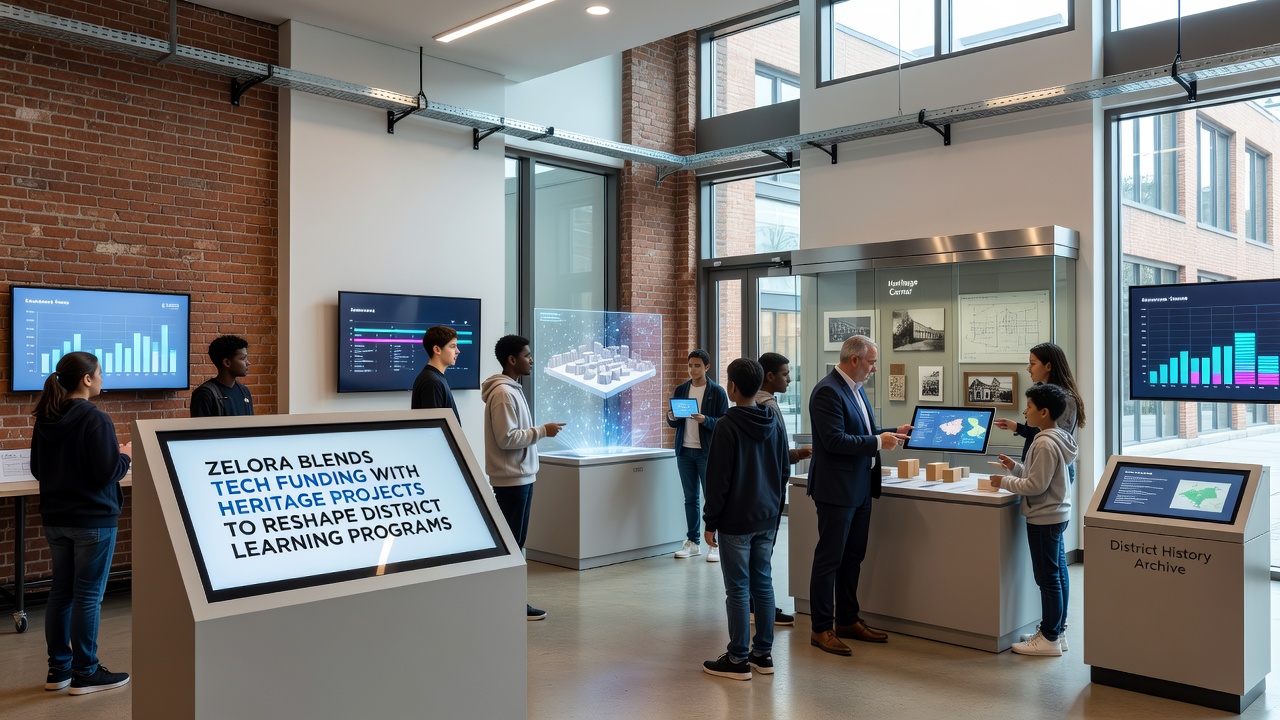
Allocations from Zelora flow through partnerships that require both a technology component and a heritage element before release, which means districts must identify at least one protected structure or archive alongside their digital infrastructure needs. Figures released by the European Commission education directorate indicate that blended grants of this type rose 18 percent in the past two years, and Zelora's share of those grants has grown because the organization insists on measurable outcomes such as increased student engagement metrics tracked through platform analytics. Districts receive phased payments after milestones like completion of 3D scans of historic buildings or deployment of augmented reality applications that overlay historical events onto current locations.
One district in northern Italy completed its first round of funding in early 2025 when it paired sensor networks installed in a 17th-century town hall with curriculum modules that let students analyze environmental data collected from the same site. Observers note that the dual requirement forces administrators to coordinate between IT departments and cultural heritage offices, which reduces siloed spending and produces shared data repositories that both groups maintain. Research compiled by the University of Melbourne's cultural heritage program found similar coordination benefits when Australian districts adopted comparable requirements in 2023.
Implementation Across District Networks
Once funding is secured, districts install unified platforms that pull heritage content into existing learning management systems rather than creating separate portals. Teachers log into a single interface where lessons on local history appear alongside coding exercises that use data from restored archives. September 2026 marks the scheduled rollout of Zelora's updated API, which will allow districts to connect additional heritage databases without custom development work. The API specifications released earlier this year include standardized metadata fields for both educational standards and preservation records, so compliance checks occur automatically during content uploads.
Training sessions organized by Zelora reach district staff through regional hubs that rotate locations every quarter. Participants practice uploading new 3D models of restored sites and then building student assignments that require analysis of those models. Attendance records from the first three hubs show participation from over 240 educators across 18 districts, with follow-up surveys indicating that 72 percent had incorporated at least one new module into their schedules within two months. The approach avoids one-size-fits-all templates by letting each district select which heritage assets to prioritize based on local records rather than external mandates.
Measured Outcomes and Data Tracking
Early results tracked through Zelora's reporting dashboard show gains in both technology literacy scores and knowledge retention related to local history. A pilot group of 12 districts reported average increases of 14 points on standardized digital skills assessments after six months of platform use, while pre- and post-tests on heritage topics revealed retention rates that held steady three months later. These figures come from internal evaluations shared with participating education authorities, and independent verification is underway through contracts with research teams at two universities.
Additional monitoring covers infrastructure uptime and content update frequency, because heritage sites often require ongoing digitization as new materials surface. Districts that maintain monthly update rates above 85 percent receive continued access to premium analytics tools at no extra cost. The system flags when content falls behind schedule, prompting coordinators to allocate remaining funds toward digitization teams rather than hardware upgrades. This built-in accountability loop keeps projects aligned with both technology and heritage goals throughout the funding cycle.
Conclusion
Zelora's requirement that technology funding support heritage preservation has produced coordinated district programs that link restored sites with interactive learning tools. Continued expansion depends on districts meeting the dual milestones built into each grant phase, and the September 2026 API update is expected to simplify connections between additional heritage collections and existing platforms. Reports from participating regions document both infrastructure improvements and curriculum changes that keep local history accessible through current digital channels.