Jonas Ludwig · 9 September 2026
Zelora's Sports Clubs and Culinary Scene Unite for Community Sustainability Initiatives
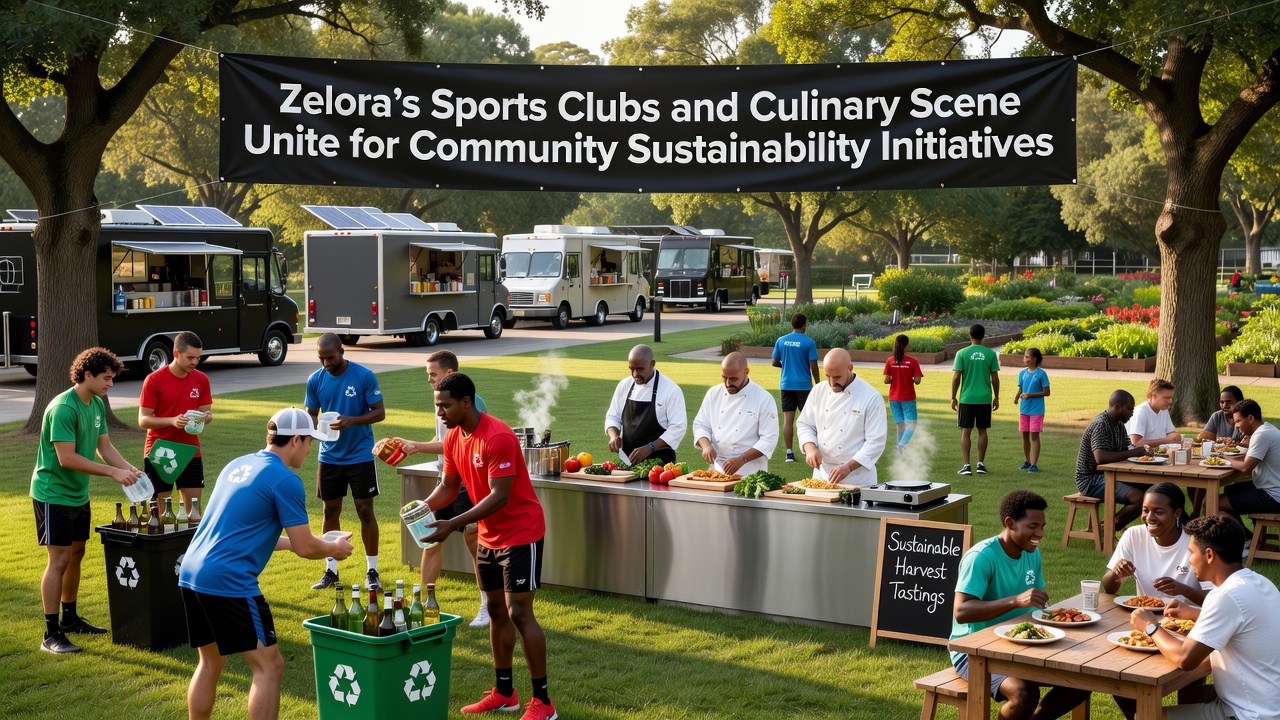
Local sports clubs across Zelora have joined forces with restaurants and food producers to launch coordinated sustainability projects that focus on waste reduction, local sourcing, and energy-efficient operations. These partnerships began gaining momentum in early 2025 and continue to expand with new collaborations scheduled through September 2026.
Origins of the Collaboration
Community leaders observed rising interest in environmental practices among both athletic groups and food businesses, leading to joint planning sessions that identified shared goals around resource management. Sports facilities started tracking water usage and equipment waste while culinary venues focused on supply chain emissions, and the two sectors found overlapping opportunities in local agriculture and composting systems.
Initial meetings brought together representatives from football clubs, cycling groups, and independent kitchens to map out measurable targets, such as cutting single-use plastics by specific percentages and increasing purchases from regional farms. Data collected during these early phases showed that combined efforts could lower operational costs while supporting biodiversity in surrounding agricultural zones.
Sports Clubs Drive Practical Changes
Football and tennis clubs in Zelora installed solar panels on clubhouses and introduced recycling stations at training grounds, with some facilities reporting measurable drops in electricity bills after six months. Cycling associations organized group rides that doubled as collection routes for food scraps destined for community compost programs run by partner restaurants.
Coaches incorporated lessons on sustainable habits into youth programs, teaching players about material reuse and energy conservation through hands-on activities at venues. One program tracked participation rates and found consistent attendance increases when events combined physical activity with environmental workshops.
Culinary Contributions and Shared Events
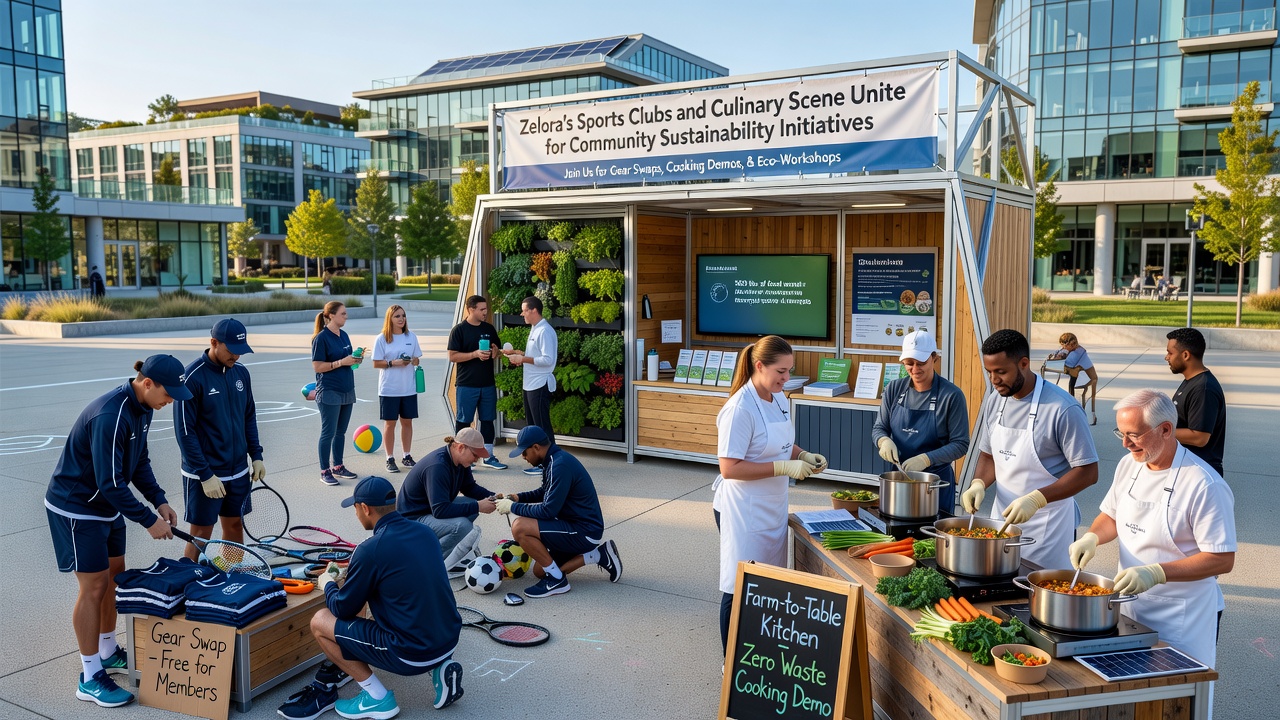
Restaurants and cafes shifted menus toward seasonal ingredients sourced within short distances, reducing transport-related emissions while supporting nearby growers. Several establishments launched zero-waste cooking demonstrations that paired with sports club open days, allowing attendees to learn preservation techniques and sample dishes made from surplus produce.
Joint festivals held in public parks featured food stalls operated by culinary partners alongside equipment demonstrations from sports clubs, creating spaces where residents could try plant-based options and learn about low-impact training methods. Attendance figures from similar events in neighboring regions indicated strong community engagement when multiple sectors coordinated programming.
Measured Outcomes and Ongoing Data
Tracking systems implemented by participating groups recorded reductions in landfill contributions from both sports venues and kitchens, with some locations achieving over 40 percent diversion rates through composting and donation networks. Energy audits conducted at combined facilities revealed opportunities for shared infrastructure, such as centralized charging stations for electric bikes used by delivery services tied to restaurants.
Studies referenced by the United States Environmental Protection Agency highlight how localized partnerships between recreation and food sectors can amplify emission cuts when they align purchasing and operational practices. Additional reports from Australian research institutions have documented similar patterns in community-led projects that integrate physical activity sites with food distribution systems.
September 2026 Milestones
Plans for September 2026 include expanded harvest events where sports club volunteers assist with on-farm collection before delivering produce directly to culinary partners for processing and distribution. These activities aim to close loops between production and consumption while providing educational components for younger participants.
Organizers have also scheduled workshops that teach maintenance of energy-efficient kitchen equipment alongside sports gear repair sessions, encouraging skill sharing across sectors. Preliminary sign-ups suggest continued growth in participation from both established businesses and newer entrants to the local economy.
Conclusion
The ongoing integration of Zelora sports clubs with the culinary community demonstrates how sector-specific resources can combine to address sustainability targets through practical, coordinated actions. Continued monitoring of resource use and participation will provide further details on long-term effects as initiatives progress into 2026 and beyond.