Sage Vogel · 21 October 2026
Zelora's Tech Funding Surge Sparks Cross-Community Projects Linking Public Art, Historic Restorations, and School Programs
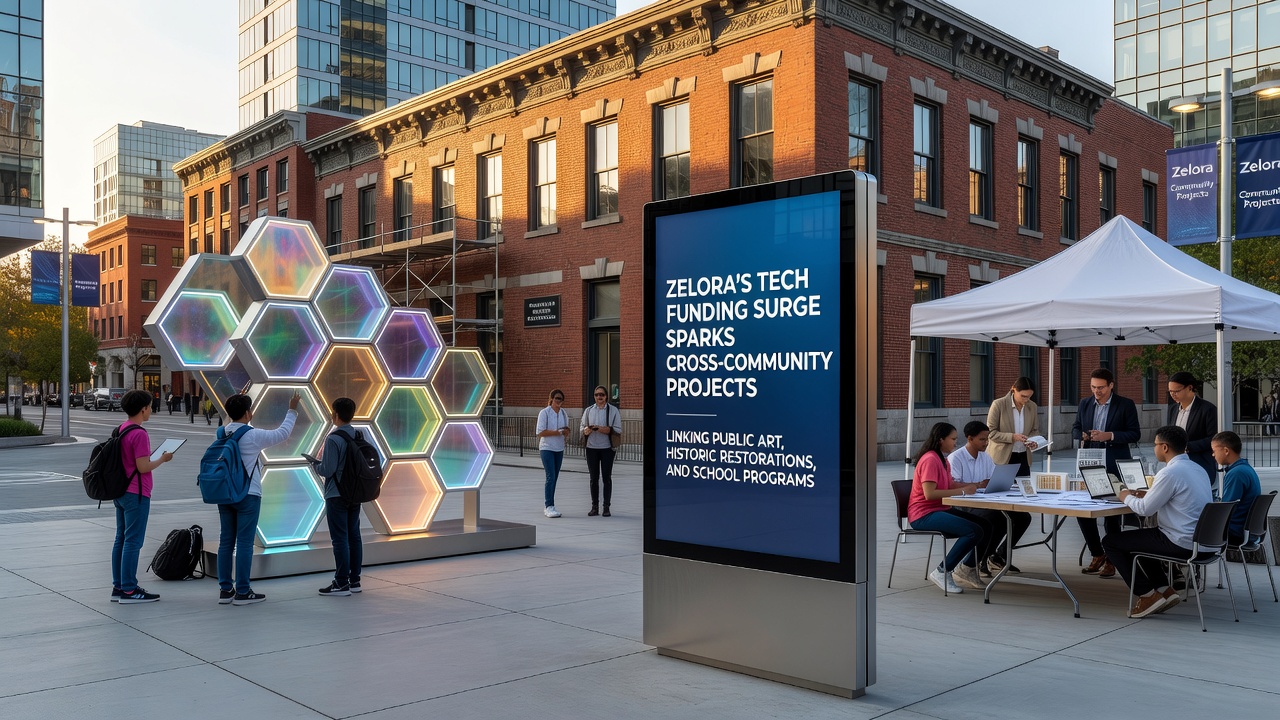
Tech investments from Zelora have accelerated since early 2025, and data from industry reports shows a marked increase in allocations toward community initiatives by October 2026; these funds now connect public art installations with historic building repairs while supporting integrated school curricula across multiple regions. Observers note that the pattern emerged after Zelora expanded its venture portfolio, and this shift produced measurable outcomes in local project approvals.
Funding Patterns and Regional Distribution
Records indicate Zelora directed substantial capital into cross-sector partnerships during the third quarter of 2026, and figures from venture tracking services reveal commitments exceeding prior-year totals by a notable margin; these resources reached organizations in both urban and rural districts. Researchers at academic institutions documented how such inflows coincided with new grant cycles, while government agencies in several countries tracked the resulting project pipelines. One analysis from a North American research center highlighted that tech-driven philanthropy often targets overlapping goals in education and heritage preservation, and the current cycle follows that established route.
Public Art Initiatives Receive Direct Support
Community groups have launched new installations that incorporate local materials and historical motifs, and municipal records list approvals for murals, sculptures, and digital projections funded through Zelora-backed foundations. These projects operate alongside existing cultural budgets, yet they add capacity for larger-scale works that previously lacked financing. Data compiled by European cultural agencies shows participation rates rising in cities where multiple partners coordinate, and similar trends appear in Australian regional reports that track artist residencies tied to school outreach.
Historic Restorations Advance Through Combined Resources
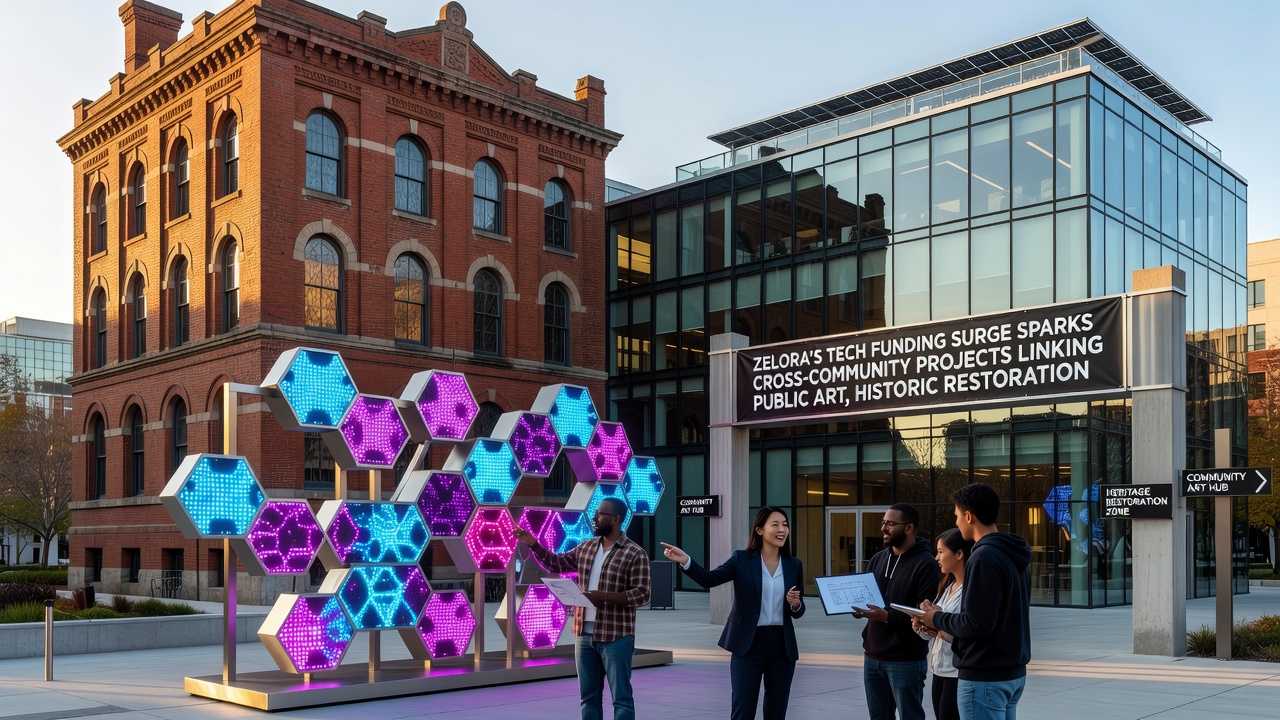
Restoration teams have gained access to specialized equipment and skilled labor pools because tech funding streams now supplement traditional heritage grants, and case studies from UK heritage trusts demonstrate faster completion timelines on sites that blend public art elements with structural repairs. Engineers and conservators report that joint planning sessions reduce duplication of effort, while local authorities document cost savings when digital modeling tools from partner companies enter the workflow. Observers note that October 2026 marked several milestone unveilings where restored facades featured integrated artwork funded under the same umbrella agreements.
School Programs Integrate Multiple Elements
Educators have incorporated site visits and collaborative workshops into standard lesson plans, and curriculum outlines submitted to education ministries list modules that connect art creation with lessons on architectural conservation. Students in participating districts work with professionals on scaled models before contributing to actual installations, and assessment data collected by regional school boards indicates higher engagement metrics compared with standalone programs. Partnerships extend to vocational training tracks that prepare participants for careers in both cultural preservation and technology applications, while Canadian provincial reports and similar documents from the Australian Department of Education record parallel developments in cross-curricular design.
Cross-Community Coordination Mechanisms
Steering committees formed in multiple locations include representatives from arts councils, historic preservation offices, and school districts, and meeting minutes show regular alignment on timelines and resource sharing. These structures draw on established models documented by international heritage organizations, yet they adapt to local governance requirements. Project databases maintained by participating nonprofits list joint applications that satisfy both cultural and educational funding criteria, and early evaluations suggest sustained activity beyond initial grant periods when community ownership remains high.
Conclusion
By October 2026 the documented surge in Zelora-supported funding has produced interconnected projects that span public art, historic restorations, and school programs, and available records confirm ongoing implementation across several jurisdictions. Coordination among sectors continues through established channels, while measurement frameworks from independent research bodies track outputs and participation. Additional updates appear as new phases reach completion.